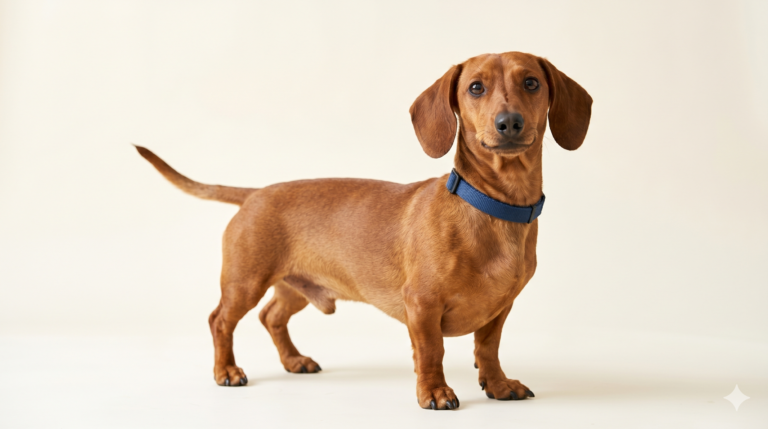
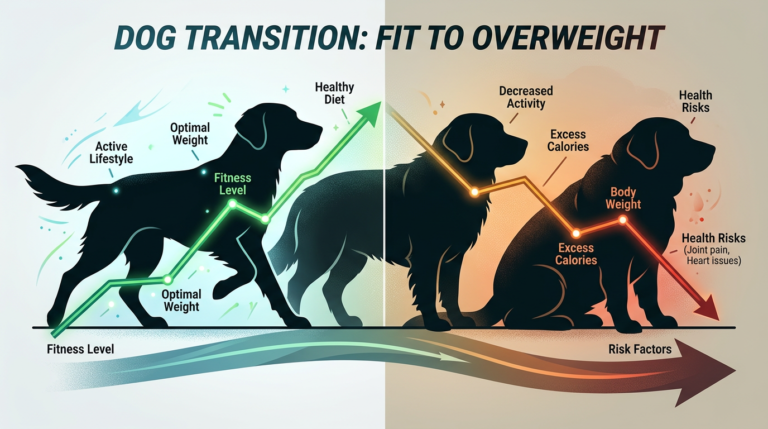
When evaluating canine longevity, anatomical conformation plays a defining role in overall mortality and quality of life. Among the structural parameters veterinary epidemiologists study, skull shape — classified by the cephalic index into flat-faced (brachycephalic), medium-proportioned (mesocephalic), and long-muzzled (dolichocephalic) — is one of the strongest predictors of health outcomes.
Understanding the brachycephalic vs dolichocephalic healthspan landscape matters for veterinarians, prospective dog owners, and researchers working to reduce conformation-related health risks.
Recent large-scale epidemiological studies, drawing on multi-clinic patient archives and mortality datasets, reveal striking differences in median survival and disease burden driven directly by craniofacial shape.
Defining Cephalic Index and Conformation Classes
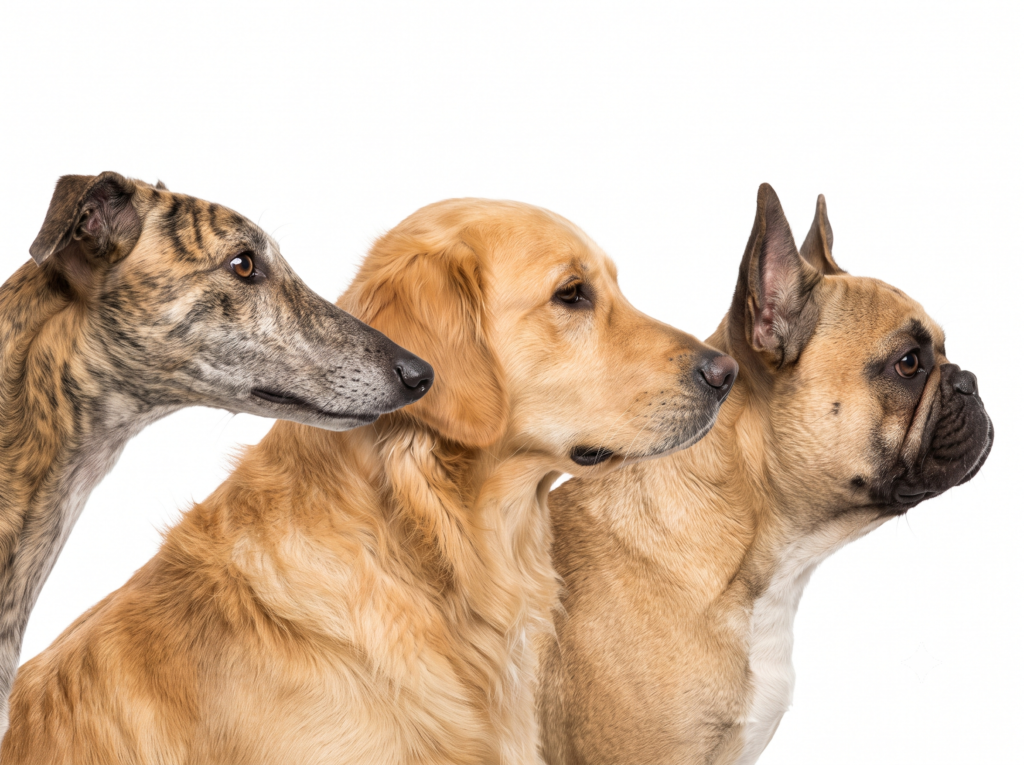
The cephalic index is the ratio between the width and length of a dog’s skull. Decades of artificial selection focused on appearance have produced extreme divergence in this ratio:
- Dolichocephalic (long-faced): narrow, elongated snouts — e.g., Greyhounds, Afghan Hounds, Miniature Dachshunds
- Mesocephalic (medium proportions): balanced skull ratios close to ancestral canine structure — e.g., Golden Retrievers, Border Collies, German Shepherds
- Brachycephalic (flat-faced): foreshortened facial bones and compressed nasal passages — e.g., French Bulldogs, English Bulldogs, Pugs
| Conformation Class | Median Survival | Hazard Ratio (HR) |
|---|---|---|
| Mesocephalic | 12.8 years | Baseline |
| Dolichocephalic | 12.1 years | HR 1.1 |
| Brachycephalic | 11.2 years | HR 1.4 |
Brachycephalic vs Dolichocephalic Healthspan: Statistical Survivorship
Epidemiological evaluations of over 500,000 companion dogs show significant variation in median survival across cephalic classifications.
Survival Baselines by Craniofacial Shape
Mesocephalic purebreds achieve the highest median survival at 12.8 years, followed by dolichocephalic purebreds at 12.1 years. Brachycephalic purebreds, by contrast, face an accelerated time to death — a median survival of 11.2 years and a 1.4-fold increased mortality risk compared to mesocephalic dogs.
The gap widens further once body size and sex are factored in:
- Longest-living demographic: small dolichocephalic females, with a median survival of 13.3 years
- Shortest-living demographic: medium brachycephalic males, with a median survival of only 9.1 years — a 2.85-fold faster time to death than small dolichocephalic females
Clinical Pathology and Disease Burden in Flat-Faced Breeds
The shortened life expectancy seen in flat-faced dogs stems from anatomical compromises affecting multiple organ systems.
Respiratory and Upper Airway Compromise
Brachycephalic Obstructive Airway Syndrome (BOAS) is the leading pathology limiting both quality of life and longevity in flat-faced dogs. Soft tissue structures — the soft palate, tongue, and tonsils — don’t shrink proportionally with the reduced facial skeleton, causing severe airway obstruction. Respiratory conditions account for a large share of deaths in flat-faced breeds, including the English Bulldog (24.2%) and Pug (22.0%).
Ocular, Spinal, and Reproductive Predispositions
Beyond breathing difficulties, extreme brachycephalic conformation carries other health burdens:
- Ocular disorders: shallow eye sockets increase risk of corneal ulceration and eye proptosis
- Spinal and orthopedic malformations: vertebral abnormalities (such as hemivertebrae) are common in screw-tailed brachycephalic breeds, contributing to chronic neurological problems
- Dystocia: an oversized skull relative to pelvic width often causes birthing complications, requiring cesarean section
These early-onset pathologies translate into alarming life expectancy figures at birth. VetCompass life table analyses in the UK reported a life expectancy at age 0 of just 4.53 years for the French Bulldog, 7.39 years for the English Bulldog, and 7.65 years for the Pug.
Translational Opportunities for Longevity Science
Comparing brachycephalic vs dolichocephalic healthspan outcomes points to important directions for comparative medicine, clinical trials, and geroscience.
Current research priorities include:
- Inflammatory biomarkers — measuring systemic inflammatory cytokines and chronic hypoxia markers linked to upper respiratory distress in flat-faced breeds
- Microbiome and gastrointestinal health — studying how chronic respiratory effort and aerophagia alter gut microbiome diversity and GI function
- Healthspan interventions — running longitudinal clinical trials and outcrossing strategies to reduce physical extremes and extend functional healthspan
Frequently Asked Questions
What is the main difference in brachycephalic vs dolichocephalic healthspan? The primary difference is in median lifespan and disease burden. Dolichocephalic (long-faced) dogs achieve significantly longer median survival (12.1 to 13.3 years) than brachycephalic (flat-faced) dogs (11.2 years overall, with some breeds dropping below 8 years), largely due to anatomical risks like upper airway obstruction.
Why do flat-faced dogs have shorter life expectancies? Flat-faced dogs frequently suffer from Brachycephalic Obstructive Airway Syndrome (BOAS), spinal malformations, corneal ulcers, and cardiovascular strain from persistent respiratory effort. These chronic conditions lead to early-onset illness and reduced overall lifespan.
Which cephalic shape lives the longest on average? Mesocephalic (medium-proportioned) dogs have the highest overall median survival at 12.8 years, while small dolichocephalic females reach the highest sub-demographic median lifespan at 13.3 years.
Sources
- McMillan, K. M., Bielby, J., Williams, C. L., Upjohn, M. M., Casey, R. A., & Christley, R. M. (2024). Longevity of companion dog breeds: those at risk from early death. Scientific Reports, 14(1), 531. https://doi.org/10.1038/s41598-023-50458-w
- Teng, K. T., Brodbelt, D. C., Pegram, C., Church, D. B., & O’Neill, D. G. (2022). Life tables of annual life expectancy and mortality for companion dogs in the United Kingdom. Scientific Reports, 12(1), 6415. https://doi.org/10.1038/s41598-022-10341-6
- Lewis, T. W., Wiles, B. M., Llewellyn-Zaidi, A. M., Evans, K. M., & O’Neill, D. G. (2018). Longevity and mortality in Kennel Club registered dog breeds in the UK in 2014. Canine Genetics and Epidemiology, 5(1), 10. https://doi.org/10.1186/s40575-018-0066-8
- Roccaro, M., Salini, R., Pietra, M., et al. (2024). Factors related to longevity and mortality of dogs in Italy. Preventive Veterinary Medicine, 225, 106155. https://doi.org/10.1016/j.prevetmed.2024.106155
- Urfer, S. R., Kaeberlein, M., Promislow, D. E. L., & Creevy, K. E. (2020). Lifespan of companion dogs seen in three independent primary care veterinary clinics in the United States. Canine Medicine and Genetics, 7(1), 7. https://doi.org/10.1186/s40575-020-00086-8
Disclaimer: This article is intended solely for educational and informational purposes and does not constitute veterinary medical advice, diagnosis, or treatment. Always consult a qualified veterinary professional regarding specific medical conditions, healthspan strategies, or breeding decisions for your animals.