To help cats and dogs live long, healthy lives, veterinarians recommend neutering before sexual maturity, usually between 6 months and 1 year of age. This approach also prevents uncontrolled population growth. Moreover, it minimises the risk of reproductive cancers. However, the surgery brings major metabolic and hormonal changes that owners should never ignore. In fact, weight gain after neutering is one of the most common and most overlooked outcomes of the procedure.
Many owners struggle to understand why their companion suddenly starts gaining weight. Therefore, in this VetAgens article, we examine the biological equation that shifts after surgery. In addition, we share the correct management formulas, all in the light of clinical research and large-scale epidemiological data.
Hormone Loss and a Slower Metabolism After Neutering
After surgery, the body stops producing key sex hormones such as oestrogen and testosterone. This change does not only end fertility. Instead, it directly affects the entire energy-expenditure system. As a result, the basal metabolic rate drops noticeably. At the same time, appetite and food intake rise sharply.
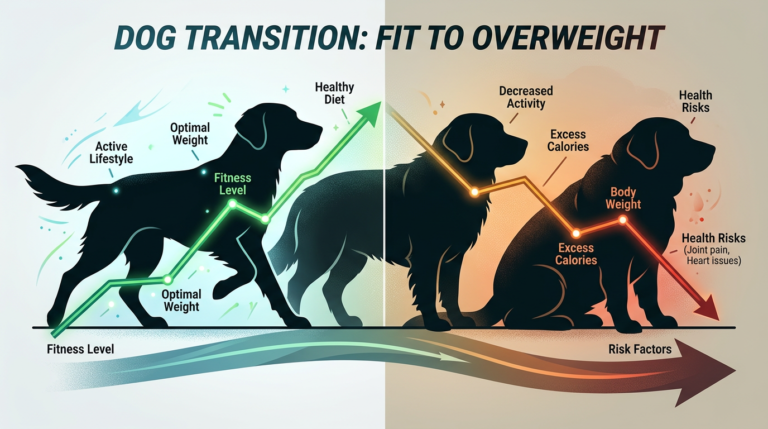
Indoor pets also move less and need less daily exercise once they recover. However, most owners fail to notice this sudden physical and hormonal slowdown. Therefore, they keep feeding the same high-calorie portions as before. Consequently, the balance between energy intake and energy expenditure tips into the positive. This surplus quickly leads to fat tissue (adipose cell) accumulation, which explains so much weight gain after neutering.
The Numbers: Neutering and Obesity Risk Ratios
Clinical veterinary epidemiology reveals a strong and statistically significant link between neutering and excess weight. The figures are striking.
- Risk in cats: Compared with intact peers, neutered cats are 3.6 times more likely to become overweight or obese.
- Risk in dogs: Neutered dogs face a 2.8 times higher risk of becoming overweight than their intact peers.
A large survey of 1,135 participants in Türkiye examined the relationship between feeding habits and body weight in cats and dogs. As a result, the data clearly confirmed how common neutering is among obese animals (p < 0.001).
| Pet Group (Cats & Dogs) | Neutered Females | Neutered Males | Total Neutering Rate |
|---|---|---|---|
| Normal Weight (BCS 2–3) | 30% | 25% | 55% |
| Overweight / Obese (BCS 4–5) | 37% | 41% | 78% |
As the table shows, the total neutering rate sits at 55% among animals without a weight problem. However, within the overweight and obese group, this rate climbs to a very high 78%. Clearly, this statistic proves one thing above all. Most owners do not change their feeding habits radically after the operation.
Feeding Mistakes That Cause Weight Gain After Neutering
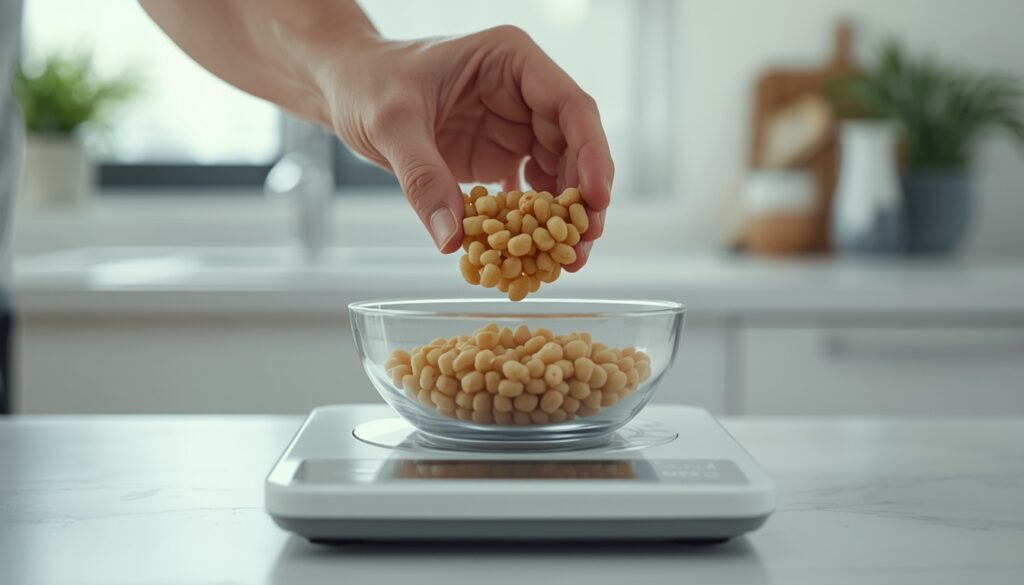
Keeping the food bowl constantly full and unlimited (ad libitum feeding) is the single biggest user error. In fact, it directly accelerates weight gain.
The research makes this clear. Among ideal-weight cats and dogs, 42% of owners practised free feeding. However, among overweight and obese pet owners, this rate jumped to 57%. When a hormonally slowed companion can reach food without limits, obesity becomes almost unavoidable.
In addition, other habits make the process more chronic. For example, 39% of obese pet owners regularly gave high-calorie, salty, and fatty table scraps. Furthermore, 69% used treats heavily without any portion control. Together, these habits worsen weight gain after neutering and push pets toward long-term disease.
The Metabolic Damage of Uncontrolled Weight Gain
Uncontrolled weight gain after surgery is far more than a cosmetic problem. When white fat tissue builds up excessively, it triggers serious systemic diseases. These include insulin resistance, type 2 diabetes, hepatic lipidosis (fatty liver, especially in cats), pancreatitis, and cardiopulmonary dysfunction (heart and lung failure). In addition, affected pets often show exercise and heat intolerance.
The damage does not stop there. Excess load also worsens orthopaedic conditions such as osteoarthritis. As a result, these problems lower both quality of life and median lifespan dramatically. To understand how many years excess weight can steal, see our detailed guide on how excess weight shortens pet lifespan.
VetAgens Strategy: Preventing Weight Gain After Neutering
Keeping your companion fit after surgery is the most effective way to protect them from chronic disease later in life. Therefore, follow these science-backed steps.
- Switch to low-energy food. On your veterinarian’s advice, move to a specialist diet (light/sterilised) that matches the reduced energy needs. This food keeps protein balanced, yet it stays low in fat and high in fibre.
- Use a kitchen scale. End ad libitum feeding completely. First, calculate the daily food amount with your veterinarian. Then weigh it on a kitchen scale and serve it in portions, ideally 2–3 meals per day.
- Limit extras and treats. Remove table scraps from your routine entirely. In addition, always subtract the calories of small treats from the main daily portion to keep the balance.
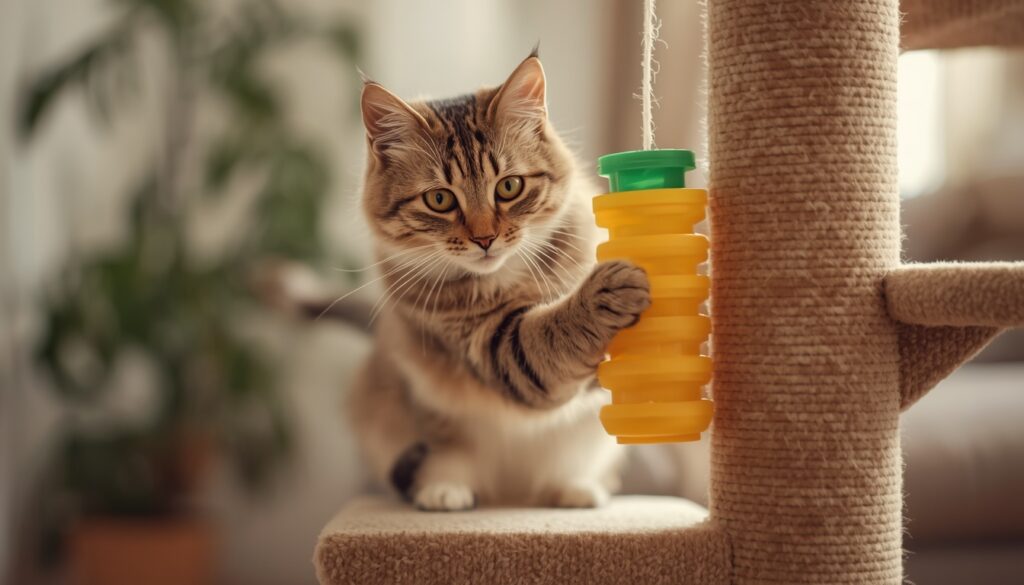
- Encourage movement. Break the sedentary indoor lifestyle. For cats, add climbing spaces and interactive toys. For dogs, organise regular, brisk daily walks to raise energy expenditure.
Ultimately, the science is simple. You can prevent weight gain after neutering with the right portions, the right food, and daily movement. Start today, and give your companion a longer, healthier life.
References
Demir İE, Altaçlı S (2024). Evaluation of Obesity in Cats and Dogs Together with Owner Profiles. Van Veterinary Journal, 35 (1), 38–46. DOI: https://doi.org/10.36483/vanveti.1359331
Çağlar C, Kara HH (2026). A Bibliometric Analysis of Studies on Nutrition and Obesity. Gümüşhane University Journal of Health Sciences, 15(1): 76–89.
Salt C, Morris PJ, Wilson D, Lund EM, German AJ (2019). Association between life span and body condition in neutered client-owned dogs. Journal of Veterinary Internal Medicine, 33:89–99. DOI: 10.1111/jvim.15367